We knew the F1 movie would be a brand bun fight. We just didn’t realise how many brands would make the cut. But when the world you’re portraying is already one giant sponsorship deal, can you really overdo it?
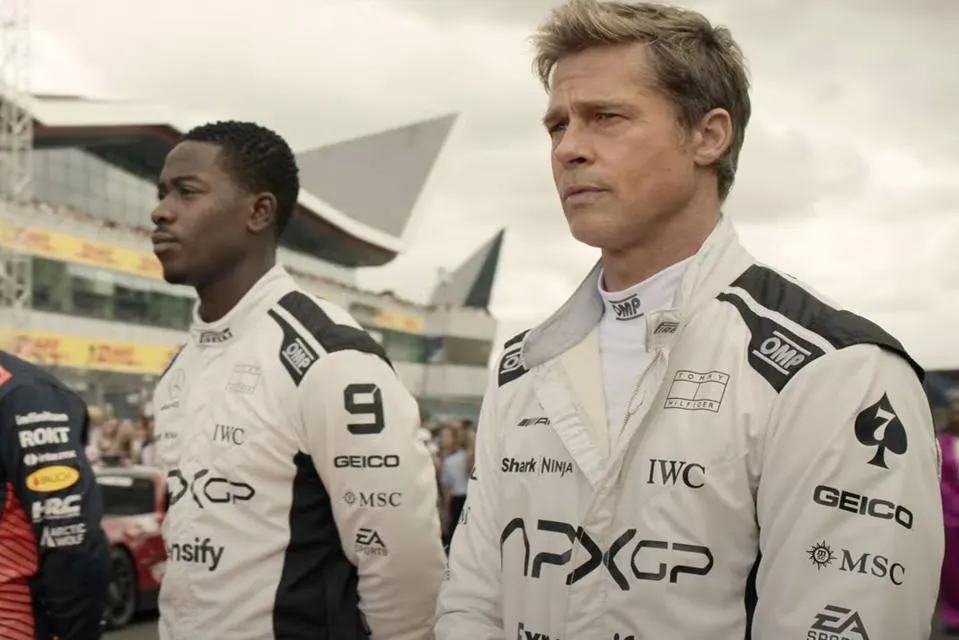
This weekend, I finally got around to seeing the new F1 film. I knew from the moment we got wind of this opportunity two years ago that this was going to be a brand bun fight, but what I didn’t quite anticipate was how many brands would make the grid. Spoiler, there wasn’t a second without a logo lurking somewhere. Honestly, a brand could have made it onto one of Pitt’s body tattoos, but I was too distracted at that point to confirm…!
Produced by industry heavyweight Jerry Bruckheimer (Pirates of the Caribbean, Top Gun) and directed by Joseph Kosinski, the film set out to bring the livewire thrill of Formula 1 to the big screen – and it definitely delivered. Perhaps a little too much when it came to the sponsorships.
It was like someone had brand vomited over every pit stop, paddock, podium, and press conference. Not one racing suit, car chassis, or garage door was spared the corporate stamp. If someone had paused the film to do a brand count, we’d still be there now. And let’s not even get into the eye-watering sums brands were dishing out for a spot on a side mirror or pad placement – possibly more than most real F1 teams make.
In any other film, this would have been a hard pass, bordering on cringe. Another opportunity for product placement snobs to dig their fangs in. But in the F1 world? It made perfect sense.
Because in Formula 1, sponsorship isn’t a sideshow, it’s part of the show.
From Rolex to Red Bull, Aston Martin to AWS, the sport is built on branding. It’s the original commercial spectacle. Sponsors don’t lurk in the background. They drive the story, fund the talent, shape the culture. The fact that the film mirrored this so faithfully almost made it feel… authentic.
And that got me thinking, can ‘too much’ feel just right if it fits the context?
The F1 film is a fascinating case study in excess done well. It doesn’t try to tone things down for the cinephiles. It leans in. Hard. Brands aren’t treated like a dirty little secret; they’re integral characters in the story. And in doing so, it gave us a glimpse of what branded entertainment can look like when done well.
An industry study revealed that 88% of UK consumers experience positive emotions after seeing products or brands featured in TV programs and films. The findings also highlighted the increasing preference for product placement over traditional advertising and its effectiveness, especially when it comes to creating deeper emotional ties with audiences.
It’s no wonder that so many brands wanted to get involved, and equally why audiences are more receptive to brand integration than ever before.
That said, there is a right place and a right time. Would I plaster brands all over the upcoming remake of Wuthering Heights? Probably not. But in the world of Formula 1, it feels entirely authentic. This marks a shift, not just in how audiences accept brand presence, but in how Hollywood approaches it. No longer just a funding tool, product placement is being embraced as part of the storytelling fabric. It’s the kind of bold integration we’ve been waiting years to see.
And if you're still counting logos, you’re missing the bigger picture.